

Safety Considerations When Using a Propane Gas Patio Heater
A propane gas patio heater is a low-cost way to create a comfortable seating space for dining or enjoying the outdoors. It is important to observe safety guidelines when working with these appliances that are flammable.
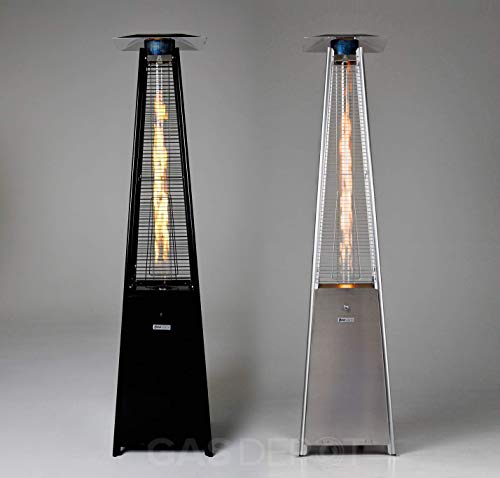
This guide offers tips on how to use, set up and store your propane-powered heater. It also covers the basics of how these units operate, including how BTUs are related to heat output.
Safety
Many outdoor spaces, in both homes and business, are enhanced with propane gas patio heaters. These heaters are commonly used in restaurants and hotels to create warm, comfortable spaces which allow tables and seating outside to be used in colder weather. Although patio gas heater for sale are generally safe, there are some important safety concerns to be aware of when using them.
First, ensure that the heater is positioned correctly and that the tank is closed when not in use. This minimizes the chance of leaks from accidents and keeps the hose and valve in good working order. It is important to inspect the tanks and hoses for any damage or air bubbles. It is also a good idea to keep spare tanks in a safe in a well-ventilated, well-ventilated space and away from flames or heat.
A patio heater can be a flammable source of heat, therefore it must be kept at a minimum of 3 feet from any object that is that is flammable, like furniture, or any other material that could catch fire. Based on the location and weather conditions the distance could need to be increased. A carbon monoxide alarm can also be used to detect harmful CO fumes.
Another important safety aspect is that propane patio heaters shouldn't be moved while the flame is on. This can cause gas flow to be disrupted and cause a potential fire. It is recommended to have someone who is familiar with the heater on hand to move it, as they can be very heavy and much more harm than good could be caused if an uninitiated person attempts to move one.
Standing heaters can also be prone to tipping over, which can be hazardous for those within the vicinity. To avoid this, the heaters should be placed on an even surface like a concrete slab, or an outdoor table. It is also a good idea for the heaters to be weighed down with water bags or sand to make them less likely to teeter over in windy conditions.
Certain issues can arise when using a propane gas patio heater, such as the pilot light not remaining in the light or shutting off after a couple of minutes. Fortunately, these issues are usually easy to fix and may be solved with the help of a few basic tools. The issue can arise when the thermocouple is too far away from the pilot light. Simply pressing the thermocouple to make it tighter will solve it.
Installation
Patio heaters were once reserved for commercial and restaurant establishments due to their expensive price. However, the demand from consumers has led manufacturers to design cheaper models. Today, they can be found in most garden and home improvement stores. Whatever type you select it is important to know the basic features of installation and maintenance to ensure safety.
Propane patio heaters are self-contained, and thus more portable than electric models. The heaters require a propane tank in order to provide power. The tank is usually kept in the lower compartment of the heater or in a trailer unit equipped with wheels. Moving the table-top or free-standing model from one place to another only involves disconnecting the cylinder, and then carrying both components to the new location. To prevent leaks, it is recommended to keep the cylinder in a protected area in a secure area, away from the wind.
It is also important to inspect the thermocouple, the pilot tube and orifice on a regular basis to check for corrosion and other issues. patio outdoor gas heater will help ensure the proper temperature for the flame to ensure safe operation. It can also help detect any issues that could cause a premature shut-off of the burner or a leak of gas. A gas leak is a serious security issue that shouldn't be ignored, so you should always seek help from an emergency service when you smell gas.
The flickering flames from a gas patio heater create an enthralling ambience, particularly when it's dark. The energizing radiant heat can counteract the cool evening air and create the patio a relaxing place to unwind and enjoy a social gathering. This is the reason why many homeowners opt for this kind of patio heater instead of an electric option.
Natural gas patio heaters are also a popular option, especially for homes with natural gas lines. It is less portable than a gas heater and the extension hoses are a trip hazard when left unattended. In addition the heating capacity of natural gas is lower than propane.
Portability
Outdoor patio heaters are becoming more popular as people seek ways to expand and enjoy their outdoor living spaces. Propane gas patio heaters unlike electric patio heaters are portable and self contained which makes it easy to move them around the patio. Their portability makes them a good option for small to medium-sized outdoor spaces.
Propane patio heating systems are cost-effective, since they can be refilled by propane tanks that can be refilled at local gas stations and convenience stores. The nature of propane that is flammable makes it less safe than other fuels. Patio heaters should be kept from children and open flames. To ensure that the heater remains in good condition and to avoid corrosion, it is recommended to use a stainless steel cleaner.
The heating process of a propane patio heater occurs by radiating infrared light through the emitter grid and into the surrounding area. Infrared light is similar to that of the sun, and it warms surfaces and people instead of heating air. This helps reduce energy consumption and costs. This type of heating can help extend the patio season which allows outdoor parties to start earlier in the spring and continue later into winter and fall.
Apart from providing warmth, patio heaters can also add to the ambiance of your outdoor space by providing a warm focal point for people to gather around. They are particularly useful in pubs and restaurants, where customers are often more likely to sit at tables with a heater nearby. In addition outdoor patio heaters can extend the duration of a party or dinner event by reducing the chill in the air.
Another benefit of a propane gas patio heater is its ease to maintain and repair. It is essential to clean the burner grate and ports every now and then with a non-flammable product for cleaning. In addition, it is recommended to regularly check the pressure on your propane tank and replace it if necessary. A regular maintenance schedule should include cleaning the paint and powder-coating on the heater using a detergent solution and coating it with automobile car wax a couple of times each year depending on the weather conditions in your area.
Energy efficiency
A propane gas patio heater is a great way to increase the amount of time you spend outdoors and even as temperatures begin to fall. This lets you enjoy the summer heat summer longer, and makes the an easy transition from cooler temperatures more comfortable for everyone involved.
Patio heaters come in many designs, sizes and output capacities. Take into consideration the size of your outdoor space and how much warmth you need to choose the best patio heater for your requirements. Also, you should examine the patio heater's BTU rating to make sure it will heat your area adequately.
Additionally, look for a patio heater with a high AFUE (annual fuel utilization efficiency) rating, which tells you how efficiently the unit burns fuel. This will save you money on fuel in the long run.
The heat distribution system also is a factor in its energy efficiency. Certain models employ infrared technology, which emits warm infrared waves into the air. This helps in heating the area quickly and evenly. Other models use the combination of convection and infrared technologies to heat the space, which can improve efficiency of energy.
Another crucial aspect to consider is the type of fuel that the heater is using. Propane is the most well-known option because it can be refilled at many local propane stations and convenience stores. Butane is also available and has a greater temperature output however it's typically more expensive to purchase and refill.
Make sure you are aware of the safety features on the propane patio heater you're considering. A well-known safety feature is an anti-tip feature which automatically shuts off the heater when it's tipping at an unsafe angle. Overheat protection and oxygen depletion detection are also important safety features to consider.
Finally, be sure to follow the manufacturer's guidelines for testing, repairing, or servicing your propane patio heater. Make sure that all connections are tight and free of leaks prior to each use. Keep propane tanks in a upright position and in a secure, secure location away from the elements.